.
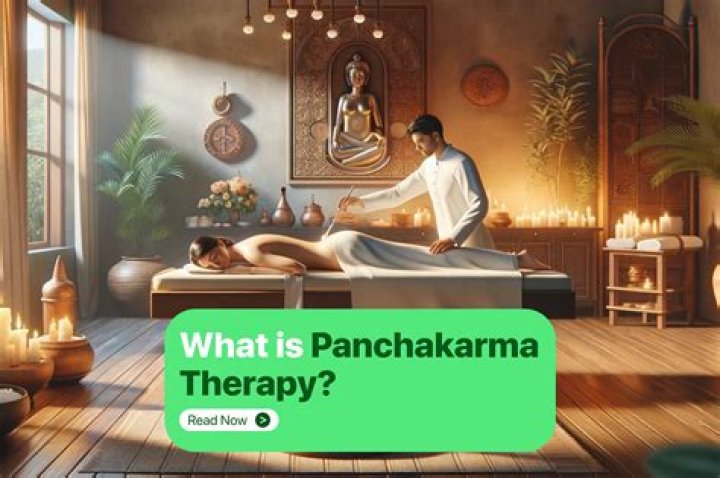
In this way, what are the Panchakarma treatment?
Panchakarma is a method of cleansing the body of all the unwanted waste after lubricating it. Panchakarma are 5 (five) in number; hence the term PANCHA (five) – KARMA (procedures). Panchakarma treatment is unique in the sense that it includes preventive, curative and promotive actions for various diseases.
Furthermore, what is the cost of Panchakarma treatment? On an average, a one-month panchakarma can cost from 22,000 – 32,000 INR (including oils). For a 45 day panchakarma the average price can be 40,000 – 60,000 INR (including oils). A procedure that is completed in 7–14 days with cost ranging between 8,000 INR – 15,000 INR (including oils).
Likewise, people ask, how long does Panchakarma treatment take?
The duration for each procedure of Panchakarma therapy varies according to the choice of the attending physician. However the general duration for panchakarma treatment range from minimum 7 days upto maximum 60 days.
What are the benefits of Panchakarma?
Benefits of Panchakarma:
- Helps restore metabolic fire (AGNI)
- Eliminates AMA (toxins) strengthens tissue functions.
- Assists balance all three doshas.
- Helps implement a healthy diet and lifestyle.
- Reduces stress, improves relaxation & tolerance.
- Slows the ageing process.
- Boosts the bodies immunity levels.
Can I do panchakarma at home?
Days 6–8 of Panchakarma Continue your regimen of kitchari and tea, evening massage and shower, and triphala. At bedtime, boil 1 tablespoon of the ayurvedic herbal compound dashamoola in 2 cups of water for 5 minutes. Try to retain the liquid for at least 30 minutes—overnight if possible—before visiting the bathroom.How many types of Panchakarma are there?
Five Basic Shodanas: Cleansing Methods- Vamana: therapeutic vomiting or emesis.
- Virechan: purgation.
- Basti: enema.
- Nasya: elimination of toxins through the nose.
- Rakta Moksha: detoxification of the blood.
What is the process of Panchakarma?
Panchakarma is an elegant cleansing process that releases stored toxins and restores the body's innate healing ability. When our digestive energies, known as Agni (fire), are robust, we create healthy tissues, eliminate waste products efficiently, and produce a subtle essence called Ojas.What are the benefits of Shirodhara?
Shirodhara has been used to treat a variety of conditions including eye diseases, sinusitis, allergic rhinitis, greying of hair, neurological disorders, memory loss, insomnia, hearing impairment, tinnitus, vertigo, Ménière's disease and certain types of skin diseases like psoriasis.How do you cleanse with ghee?
You can drink the ghee plain or mix with 1/2 cup of warm rice milk. Wait 1/2 hour before eating anything. Don't go more than four days of drinking the ghee. DO NOT eat any other fat in your diet when drinking the ghee (except in your khichari).What is Pancha Karma?
Panchakarma in Sanskrit means 'five actions' which are treatments that are integral to the ayurvedic process of purifying the body. Your PK programme is put together according to the number of days you have chosen to stay with us and your health issues.Can Panchakarma be done during periods?
Panchakarma is contraindicated for women during their menses. Women, please take care to schedule panchakarma safely outside of your menstrual period. If menses unexpectedly takes place during panchakarma, the program will be adjusted accordingly.What is included in Panchakarma?
Our Basic Panchakarma Program includes: Daily Ayurvedic treatments of approximately two hours consisting of: Abhyanga (a two-person synchronized oil massage), Swedana (individual herbalized sweat therapy), Shirodhara (pouring of warm oil to the forehead), Udhulana (herbalized dusting of the body).What can I expect from Panchakarma?
The Healing Crises As these toxins are expelled, you may experience insomnia, heaviness, aching or general discomfort and flu-like symptoms. You may also develop a feverish feeling, which is simply your body's way of burning up toxic waste. You may notice some emotional mood swings or experience intense feelings.What do I eat during a detox?
The best detox foods are vegetables, fruit, whole-grains, beans, nuts and seeds. Vegetables and fruits contain enzymes that help improve digestion and also many nutrients that are strong detoxifying agents.What is the 21 day detox diet?
Our 21-day purification program includes eating whole, organic and unprocessed foods; taking supplements with whole foods and other ingredients; and drinking plenty of water . You will eat a variety of vegetables and fruit for the first 10 days, with select proteins added on day 11 .What does Kitchari taste like?
But in India kitchari—a soupy porridge made from rice and mung beans, lightly spiced with ginger, cilantro, and other spices—is considered a fasting food and is used to purify digestion and cleanse systemic toxins. Kitchari tastes like a cross between a creamy rice cereal and a light dal, or lentil soup.How do you drink ghee in the morning?
1 or 2 tablespoons of ghee in the morning followed immediately by hot water can produce a morning poop. A few spoonfuls in non-homogenized milk to be drunk and night can be soothing to the nerves and lubricating to the intestines. This will also produce a morning poop.What is in an Ayurvedic diet?
An Ayurvedic diet is an eating plan that provides guidelines for when you eat, what you eat, and how you eat to boost your health, prevent or manage disease, and maintain wellness. If you follow an Ayurvedic diet, you'll eat primarily whole or minimally processed foods and practice mindful eating rituals.What is detox yoga?
The idea that twisting in yoga can detox the body was popularized by master yoga teacher B.K.S. According to Iyengar, twisting the spine compresses muscles and organs, which blocks the flow of blood. When you release the pose, blood flows back into those areas bringing with it nutrients and improving circulation.How do you know your Dosha?
What's Your Dosha?- Your height is: Taller or shorter than average.
- Your body frame is: Slim and light, with thin muscles.
- Your weight is: Below average.
- Regarding your weight changes, you find it: Hard to gain weight.
- Your skin texture is:
- Your eyes are:
- Your hair is:
- Your teeth are: